Journal of the Open Therapy Institute
-

Open Inquiry in Mental Health
Issue 1 | Spring 2026
Contribute
Editorial Board
-
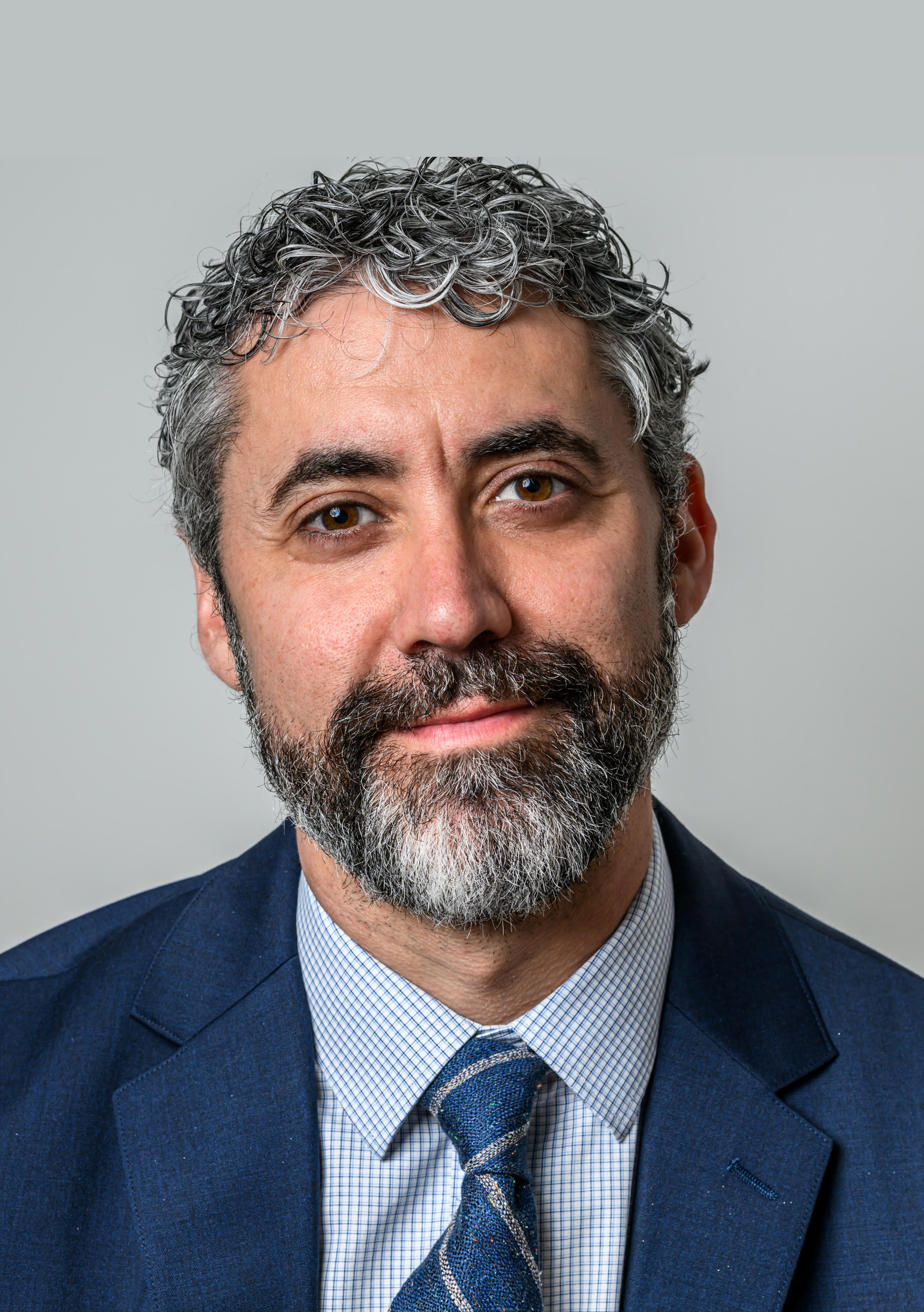
Andrew Hartz, PhD
EDITOR IN CHIEF
Open Therapy Institute
-

Sally Satel, MD
Yale University
-

Michael Strambler, PhD
Yale University
-

Omar Sultan Haque, MD, PhD
Harvard University
-

Joshua Aronson, PhD
New York University
-
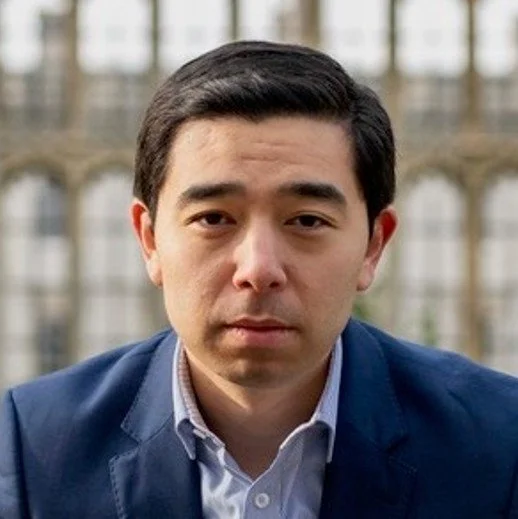
Rob Henderson, PhD
Manhattan Institute
-

Dean McKay, PhD
Fordham University
-

Pamela Paresky, PhD
Harvard University
-

Lawrence Amsel, MD, MPH
Columbia University
-

Richard J. McNally, PhD
Harvard University
-

Richard Redding, JD, PhD
Chapman University
-

Nafees Alam, PhD
University of Nebraska
-

Neil Kressel, PhD
William Paterson University
-

Val Thomas, DPsych, FHEA
Critical Therapy Antidote
-

Mitchell Landers, PhD
ASSISTANT EDITOR
UC San Diego
Topics of Interest for Upcoming Issues
We’re looking specifically for prospective authors to write on the topics below.
(1) Cancelled: Therapy With People Who Have Lost Careers Due to Cancel Culture
What are the various reasons people experience cancellation—ranging from sexual misconduct allegations to controversial jokes, inadvertent comments, or political views? What are common emotional and psychological responses, such as the impulse to apologize even when one believes they did nothing wrong, as well as: isolation, shame, and self-doubt? How might people in this group be driven to react in counterproductive ways, like anger, withdrawal, or substance use? How can therapists help clients navigate practical concerns (career loss, advocacy, loneliness) and emotional responses (depression, anger, anxiety, dissociation)?
(2) Family Estrangement Due to Politics
To what extent is it increasing, and if so why? What drives it, how does it impact individual’s and family’s mental health? And how can therapists respond to preserve family relationships across ideological divides.
(3) COVID Policies and Mental Health
What do we know about the long term impact on children’s intelligence, academic attainment, mental health, and social functioning?
(4) Empathy, Boundaries, and Assertiveness
The phrase “suicidal empathy” connotes someone who empathizes with certain groups’ aggression or criminality to such an extreme that they ignore the victims of their acts. This may be especially common when the victims are in one’s own socio-demographic groups and in a demographic group that has been deemed “privileged” as opposed to “oppressed.” What might drive this imbalanced, masochistic, and socially corrosive distortion of empathy? How can people respond to help people find a more mature and balanced sense of assertiveness, self-respect, and boundaries? Could this more balanced and mature for of empathy lead to more fulfillment and social stability (across demographic groups)?
(5) Evaluating SEL
Social Emotional Learning promises to help children and adolescents improve their social cognitive, emotion regulation ability, and other life skills. Though these goals may sound inspiring, the results have sometimes been far from these ideals. To what extent, if any, should educators (and other adults) education children in this area. And if it should be done at all, what are the approaches that have the fewest risks and the greatest benefits.
(6) Anti-Christian Bigotry, Bias, and Aggression in Contemporary America
How does the broader culture demonize Christianity in particular, and how does this marginalization impact Christians? From views on sex and gender to interpretations of the Bible and social issues, where do Christians feel pressured to self-censor or “code switch,” even in therapy? What do therapists need to understand to support Christian clients who feel attacked or isolated?
(7) DEI Discrimination and Its Impact
How do people respond when they have good reason to believe that DEI policies have prevented them from obtaining a job or promotion? What are the psychological and emotional consequences? How can therapists help clients process these experiences, respond productively, and navigate their professional lives amidst a discriminatory climate?
(8) How Patients Use Social Justice Language to Block Therapeutic Processes
Many patients, even those with extensive trauma histories, invalidate their concerns using terms like “first world problems” and “privilege” or self-consciously describe their demographics (like being white, male, or heterosexual). This self-invalidation could potentially contribute to symptoms as it blocks important processes like proper grieving, reflection, and emotion expression. It could also be used defensively in treatment to avoid distressing topics. But challenges to this framing, if handled poorly, could descend into political arguments. How might social justice terminology be adversely impacting patients and how should therapists respond?
(9) Restoring Trust in Mental Health Care
Trust in therapy and the mental health profession broadly has greatly suffered as the field has become more politicized. How can the field repair relationships with people who’ve had bad care or lost confidence in mental health treatment? How can therapists best serve patients who could benefit from therapy but have become increasingly mistrustful?
(10) The Importance of Group Therapy for Ideologically Marginalized People
What unique value does group therapy offer for people with stigmatized views? Which populations could benefit the most: conservatives in left-leaning spaces like universities, Zionists in anti-Israel institutions, spouses of men who transition mid-marriage, or men falsely accused of sexual assault? What are the clinical and logistical challenges of launching and sustaining these groups?
(11) Failure to Launch in Young Men: An Overview
Why is this phenomenon particularly affecting young men? What societal and familial factors may be exacerbating the trend? What family-based or individual interventions can therapists use to address this problem?
(12) Politically-focused Psychological Disturbances
Are politically-focused psychological disturbances increasing? What’s driving this? Is political culture driving psychological distress or are people with mental illness gravitating more toward politics? To what extent is it happening on the left vs the right? What disturbances are common: emotion dysregulation, cognitive distortions, more severe personality-disorder type patterns, or even impaired reality testing? Does exposure to viewpoint diversity mitigate these disturbances?
(13) Family Members of People Who Transition Genders
What are the experiences of spouses, siblings, children, and parents when a family member transitions? What unique challenges arise related to political and religious values, as well as interpersonal relationships? How can therapists best support these populations? Case examples from colleagues, private practice, or media reports could help illustrate these dynamics.
(14) Gay Men and Lesbians Who Feel at Odds With LGBTQ+ Culture
How do gay men and lesbians with heterodox views experience alienation from their communities? What challenges arise concerning faith, politics, transgenderism, sexual behavior, relationships, and broader values? What do therapists need to know about perspectives that may be overlooked by the political leadership of the “LGBTQ+ community”?
(15) Transitioning on the Inpatient Unit
How common is transgender identification among patients with severe mental illnesses such as schizophrenia? Might the affirming care model misunderstand about patients experiencing delusions, hallucinations, or manic episodes?
(16) Socio-political Implications of AI Therapy
What aspects of psychotherapy might ai therapy replace and what might it struggle to replace? How might it’s process, values, structure, or bias impact people psychologically, or other socio-cultural processes from romantic relationships, friendships, and work to family dynamics?
(17) What Causes Censorship Culture?
Often, just one highly visible “cancellation” of an individual for their views can have a broad impact on an institution’s culture. Censorship cultures can also be fostered by vague rules about speech, modeling narrow views in official communications, and more subtle dynamics that thwart dialogue, such as isolating and stigmatizing people who disagree even minimally with established narratives. What beliefs and practices lead cultures or institutions to foster censorship? Are there specific remedies that could reverse this trend in institutions that want to move toward open inquiry, dialectical thinking, and dialogue?
(18) Evidence-Based Interventions for People of Faith
Instead of avoiding religious discussions, how can therapists who are not faith-based counselors integrate a patient’s religious beliefs as a resource for mental health improvement? What are practical strategies for doing so? What are the potential pitfalls, and how can therapists engage with faith-based issues in a way that is attuned, empathetic, and patient-centered?
(19) Women with Regret or Emotional Conflict About Abortion
To what extent do women regret having an abortion? What are their experiences and stories? What struggles and complex emotional dynamics might emerge? And how can therapists hear them and help them in a way that respects their values and worldview empathically—without invalidating or minimizing their concerns?
(20) Effective Psychotherapy for Gun Owners
In the wake of every mass shooting, people discuss guns and mental health, yet mental health resources for gun owners remain shockingly limited. Alienation between gun owners and mental health professionals might be driven by a tendency of the profession to pathologize guns, to lack knowledge about guns, or to advocate for policies like red flag laws that have the potential to interfere with treatment. How can therapists handle these issues in a safe and clinically-effective way that’s also attuned to gun culture and the values and experiences of gun owners.
(21) Depression, Mental Illness, and Assisted Suicide
A common ethical standard in mental health treatment is prioritizing patients’ risk of harm to self and other. What happens when medical authorities approve of or support suicide when the cause is driven by mental illness? To what extent to providers need to encourage treatment first? And how could the assisted suicide movement threaten long-standing core ethical principles of the mental health field?
(22) Men and Divorce
Standard therapist training programs rarely reflect on men’s experiences related to divorce. This can involve everything from unfair valuations of money and custody, limits on decision-making, and struggles to navigate complex family dynamics that emerge. These experiences can take a toll on men psychologically, yet few therapists understand the common dynamics and helpful responses on these contexts.
Past Issues
-

Frontiers in Mental Health
Issue 2 | Fall 2025
-

Frontiers in Mental Health
Issue 1 | Spring 2025